SAVE THE TEMPERATE FOREST'S RED PANDA
by: cristina hernandez
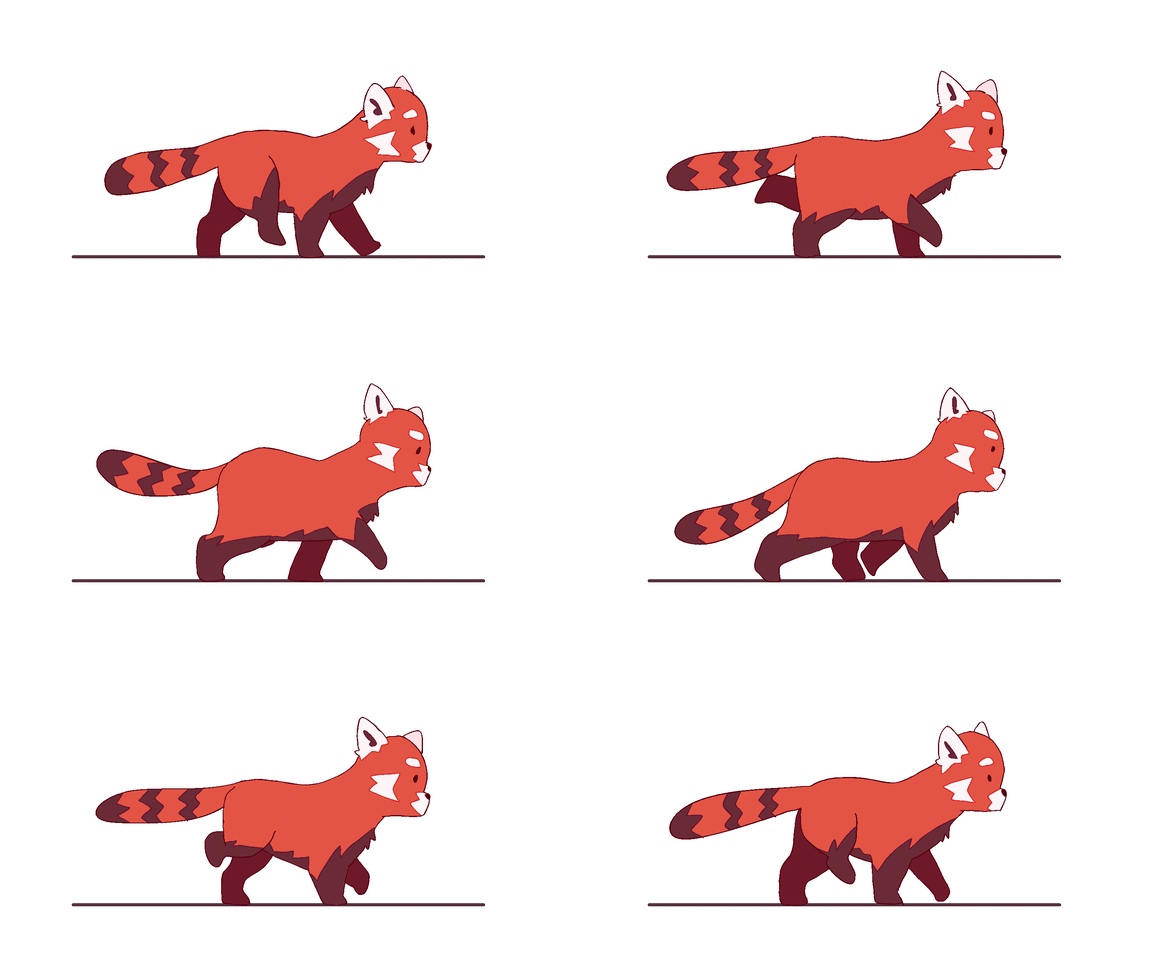
red panda
ailurus fulgens
endangered - less than 10k left
kingdom: animalia / phylum: chordata / class: mammalia / order: carnivora / family: ailuridae / genus: ailurus
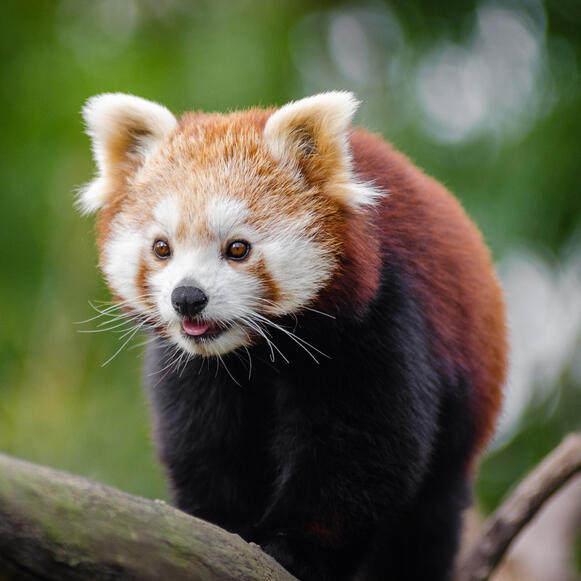
color: cinnamon (mix of orange/red, brown, white, black)
size of a house cat (24-47 in.)
round face, short snout, pointy ears, fluffy tail
round face, short snout, pointy ears, fluffy tail
omnivore
90% of their diet conisist on bamboo leaves (flowers, fruits, eggs, small insects)
decomposer > bamboo > red panda > leopard > tiger
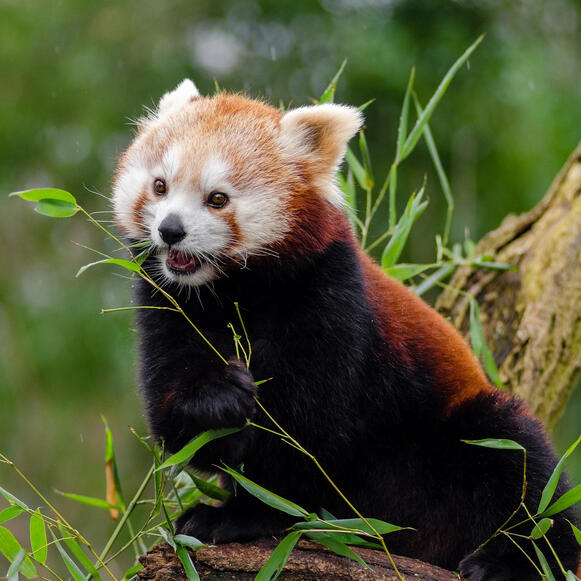
red panda adaptations
large chewing muscles + flat teeth ------------------- eat bamboo
"thumb" ------------------------------------- grab bamboo
flexile paws + sharp claws ------------------------- climb trees
long/ constant feeding periods ---------------- carnivorous digestion



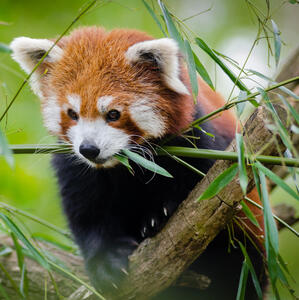
temperate forests
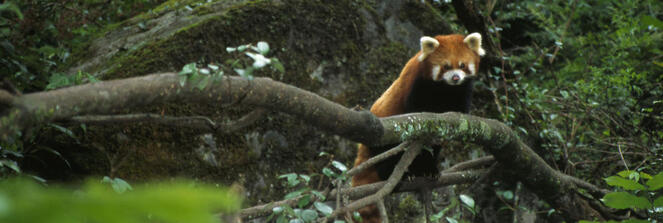
high levels of precipitation and humidity
large varieties of vegetation
dominant plants: lichen, moss, fern, maple, oak, birch
dominant wildlife: black bears, mountain lions, deer, fox, squirrels
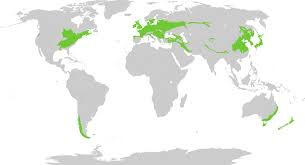
found in the northern hemisphere (North America, Eastern Asia, Western Europe)
threats and risk of extinction
the red panda population has decreased by 50% during the last three generations.
| threat | caused by... |
|---|---|
| deforestation/ habitat loss | rapid human growth, building projects, mining, agricultural forest fires, livestock herding, bamboo demand |
| herding dogs | wild dogs owned by farmers to protect livestock from potential predetors |
| disease | gastrointestinal parasites, canine distemper virus (contagious and deadly) |
| poaching and illegal trade | all commercial trade has been banned since 1995, inadequate staff and rangers |
other causes include climate change and low red panda awareness.
efforts of solution
anyone caught capturing or killing a red panda can be charged faces a fine of up to $1,000 and/or up to 10 years in jail.

Nepal, South Asia (38% of red panda habitat)
created first red panda population monitoring program in 2007have decreased red panda traps in Nepal forests by 60%
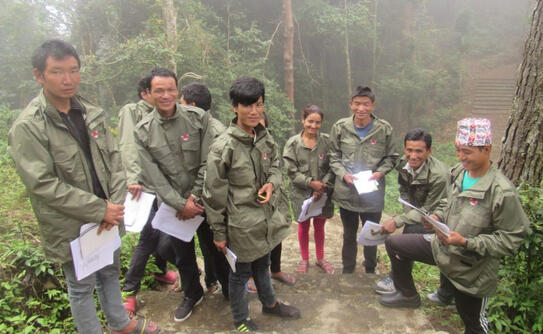
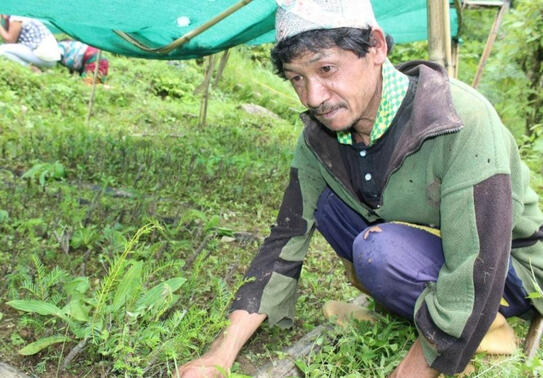
conduct research in order to develop adequate conservation methods and projects.
forest guardians: hired staff that work in order to monitor red panda environments/ communities, prevent poaching by removing traps and patrolingforest nurseries: hired staff that restore degrading forests by planting bamboo and medical plantseducation: teach conservation and consumption alternatives to Nepal communities like the bio-briquette and livestock shedswildlife tourism: helps spread awareness
my solution ideas include...
instead of teaching conservation alternatives, law should enforce these alternatives when the herding or production is at a certain distance from a red panda habitathave wildlife experts and conservationalists work alongside and supervise development projects in the area in order to decrease the risk of harm to their species or the environment to the best of their ability.
thank you!


A-Z Animals. (2008). Red Panda. United Kingdom: A-Z Animals. Retrieved from https://a-z-animals.com/animals/red-panda/
Bradford, A. (2016, Dec 23). Facts About Red Pandas. New York, NY: Future Us, Inc. Retrieved from https://www.livescience.com/57312-red-pandas.html
Red Panda Network. Conservation. Eugene, OR: Red Panda Network. Retrieved from https://www.redpandanetwork.org/what-we-do/conservation/
San Diego Zoo. Red Panda. San Diego Zoo Global. Retrieved from https://animals.sandiegozoo.org/animals/red-panda
World Wildlife Foundation. (2018). Red Panda. Washington, DC: World Wildlife Fund. Retrieved from https://www.worldwildlife.org/species/red-panda